
Complications of Post-Polio Syndrome
Post-polio syndrome is rarely life-threatening, but severe muscle weakness can lead to complications:
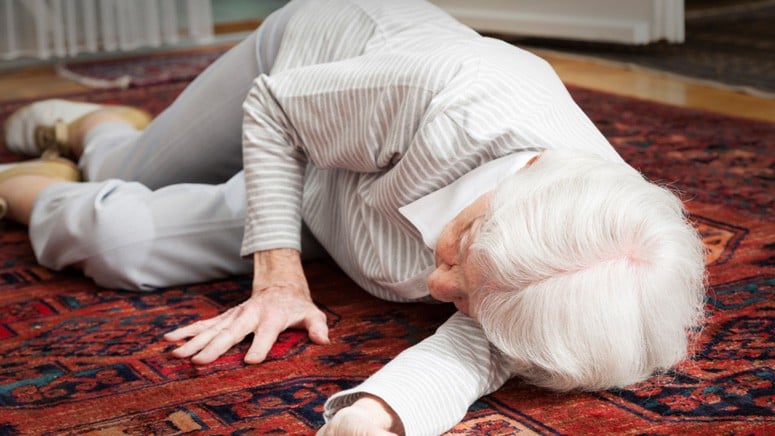
- Falls: Weakness in your legs makes it easier to lose balance and fall, which can lead to you breaking a bone, such as a hip, leading to other complications.
- Pain: You can experience chronic pain due to musculoskeletal abnormalities and muscle weakness.
- Fatigue: Fatigue is very common in people with post-polio syndrome. The fatigue may be disabling, even after very little activity. It may also lead to problems with concentration and memory.
- Malnutrition, dehydration and pneumonia: People with bulbar polio, which affects the nerves leading to the muscles used for chewing and swallowing, frequently struggle with these actions and exhibit other post-polio syndrome symptoms. Problems in chewing and swallowing can result in malnutrition, dehydration, and aspiration pneumonia [3], which is brought on by aspirating food particles into your lungs.
- Osteoporosis [4]: Prolonged inactivity and immobility are often accompanied by loss of bone density and osteoporosis in both men and women. If you have post-polio syndrome, talk to your doctor about bone density screening.
- Chronic respiratory failure: It becomes more difficult to take deep breaths and cough, which can lead to the accumulation of fluid and mucus in your lungs, when your diaphragm and chest muscles are weak. Acute respiratory failure can result from a sudden decline in blood oxygen levels caused by obesity, smoking, curvature of the spine, anesthesia, prolonged immobilization, and/or certain drugs. Ventilation therapy may then be necessary to help you breathe.
- Sleep disorders: Sleep apnea and restless legs syndrome are common in people with post-polio syndrome. These sleep disorders may worsen insomnia [5] and fatigue if untreated.