
Conclusion
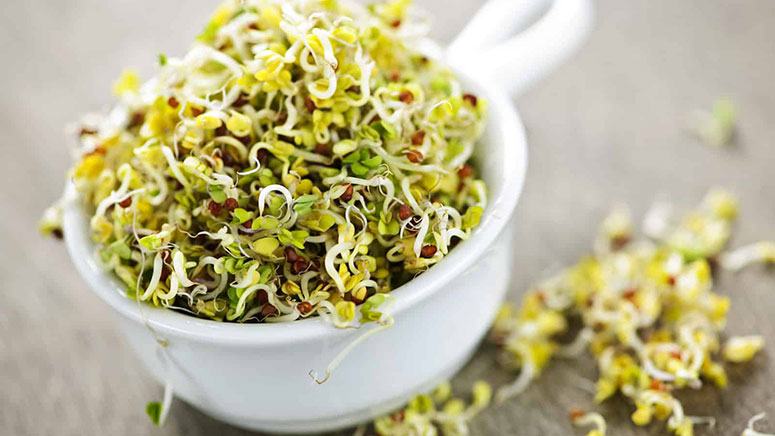
Alfalfa has been demonstrated to help decrease cholesterol and may also be beneficial for controlling blood sugar and easing menopausal symptoms.
In addition, many consume it for the antioxidants and other nutrients including magnesium, copper, folate, vitamin K, and vitamin K. Alfalfa has a very low calorie content as well.
Having said that, some individuals may need to stay away from lucerne, such as those who have autoimmune diseases, are pregnant, or are on blood thinners.
Albeit more rigorous research is required, lucerne has a lot of potential as a diet or supplement that promotes health.
Reference:
[1] https://www.mayoclinic.org/drugs-supplements-vitamin-c/art-20363932
[2] https://www.rsc.org/periodic-table/element/25/manganese
[3] https://www.hsph.harvard.edu/nutritionsource/folic-acid/
[4] https://www.healthline.com/health/what-are-flavonoids-everything-you-need-to-know
[5] https://www.healthline.com/nutrition/phytosterols-benefits-and-downsides
[6] https://www.medicalnewstoday.com/articles/320630
[7] https://www.sciencedirect.com/topics/food-science/alkaloid
[8] https://www.fda.gov/
[9] https://my.clevelandclinic.org/health/diseases/4875-lupus