
Nutrients and Compounds in Hibiscus
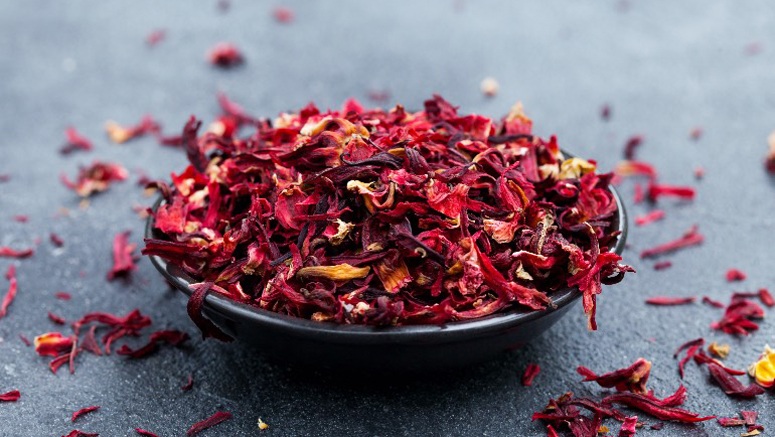
The type and amounts of compounds and nutrients in hibiscus vary among the various parts of the plant. Studies show that raw hibiscus contains some calcium, vitamin C, B vitamins, potassium, magnesium, calcium, and some carbohydrates. Hibiscus may contain lower levels of nutrients, but still offer numerous beneficial compounds. In fact, studies show that the bioactive compounds in this plant are responsible for its health benefits.
Hibiscus contains high levels of anthocyanins, which are pigments that give the flowers their colorful color. It also contains phenolic acids, flavonoids, and organic acids which offer various benefits. Antioxidants present in Hibiscus help protect your body from reactive compounds, known as free radicals. These free radicals can cause cellular damage, called oxidative stress.
Oxidative stress is responsible for various medical conditions, including cancers, diabetes, heart disease, and high blood pressure. Test-tube studies show that compounds in hibiscus have antioxidant features and can kill free radicals in the body. Experts are yet to confirm if the compounds would work the same way in humans, so more studies are required on the topic.
Aside from antioxidant properties, studies show that the compounds in hibiscus may also offer benefits via other mechanisms that are not properly understood. More research is needed to learn how this works.