
Antidepressant medications
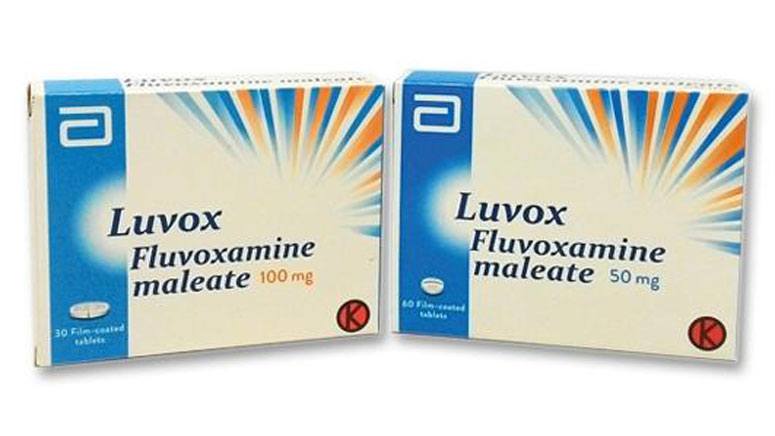
Antidepressants are used to control the symptoms of bipolar depression. They regulate the activities of certain brain chemicals known as neurotransmitters.
You can use antidepressants to control the symptoms of bipolar disorder and stabilize your mood.
A drug known as Symbyax is a combination of both an antipsychotic, olanzapine, and antidepressant fluoxetine. This combination helps stabilize your mood and treat depression.
Antidepressants can be divided into different classes. Each class acts on a set of neurotransmitters. Some prescriptions may be “off-label” because the FDA has not approved certain antidepressants to treat bipolar disorders.
You can take these classes of antidepressants to manage symptoms of bipolar disorder:
- Nortriptyline (Pamelor)
- Serotonin and norepinephrine reuptake inhibitors, or SNRIs
- Tranylcypromine (Parnate)
- Fluvoxamine (Luvox)
- levomilnacipran (Fetzima)
- Duloxetine (Cymbalta, Yentreve)
- Venlafaxine (Effexor)
- Phenelzine (Nardil)
- Desipramine (Norpramin)
- Selective serotonin reuptake inhibitors, or SSRIs
- Citalopram (Celexa)
- Amitriptyline (Elavil)
- Escitalopram (Lexapro)
- Fluoxetine (Prozac)
- Paroxetine (Paxil)
- Tricyclics and tetracyclic
- Clomipramine (Anafranil)
- Imipramine (Tofranil)
- Monoamine oxidase inhibitors, or MAOIs
- Sertraline (Zoloft)
Each class of antidepressant and each medication can have different side effects. You may experience side effects like:
- Agitation, anxiety, and nervousness
- Low blood pressure[4]
- Dry mouth
- Sexual dysfunction[5]
- Dizziness
- Insomnia[6]
- Sleepiness
- Weight gain