
Enhances muscle development
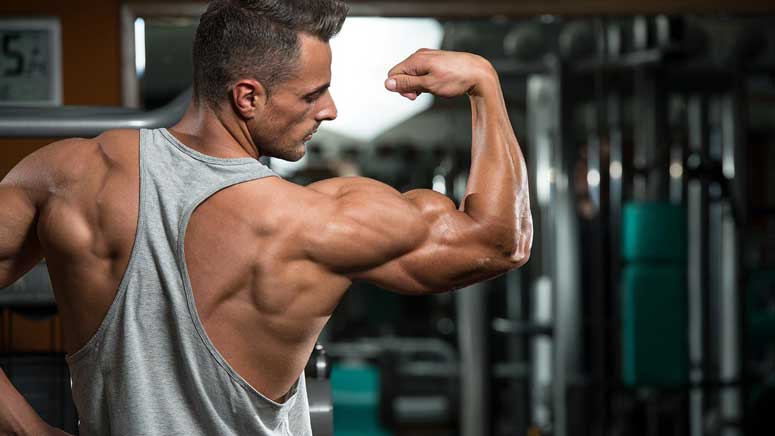
The rack pull is an exercise that grows certain muscles of the body. Rack pull is known to promote the strength of most muscles in the posterior chain such as gluteus muscle, hamstrings, latissimus dorsi and muscles of the upper back such as the trapezius. People that regularly perform rack pull exercise experience significant growth in these muscles. However, specific information in this field are still debatable. Gym instructors recommend rack pull for people that want to increase the strength of muscles in their posterior chain. The following muscles are enhanced by regularly performing rack pull:
- Glutes: the gluteus medius, Maximus and minimus are muscles found in the buttocks. They are mainly responsible for extension of the hip joint. They are important for deadlifting the barbell and stabilizing the hip joint throughout the exercise.
- Erector spinae (lower back): The erectors or Para spinal muscles are the muscles that surround and protect the spine. They allow extension of the spine throughout the exercise. They are mostly active during the bottom half of the exercise.
- Latissimus dorsi: these are the biggest muscles in the back. They cover a large portion of the back and insert on the arm. They are used to maintain back tightness throughout the exercise, protecting your spine.
- Trapezius and muscles in the upper back: the upper back muscles such as the rhomboid major and minor and levator scapulae help to keep the shoulder aligned and allows a tall posture throughout the exercise.
- Forearm and hand muscles: there are so many muscles in the forearm and hand (most of them are small muscles). They play a crucial role in holding the barbell throughout the exercise.
- Quadriceps: quadriceps femoris are used to extend the knee joints. They are not primary movers in the rack pull but they help to straighten the legs during the lockout part of the exercise.