
Sauerkraut and Natto
Sauerkraut is made by fermenting shredded cabbage with lactic acid bacteria. It is rich in fiber, which improves bowel movement and digestion. It also contains low calories and impressive amounts of vitamin K and C, which are important in bone development and immunity.
It also contains lutein and zeaxanthin which are important antioxidants for eye health. A test-tube study [12] has also suggested sauerkraut antioxidants have anti-cancer properties.
You should eat raw, unpasteurized sauerkrauts as pasteurization can kill off the probiotic contents.
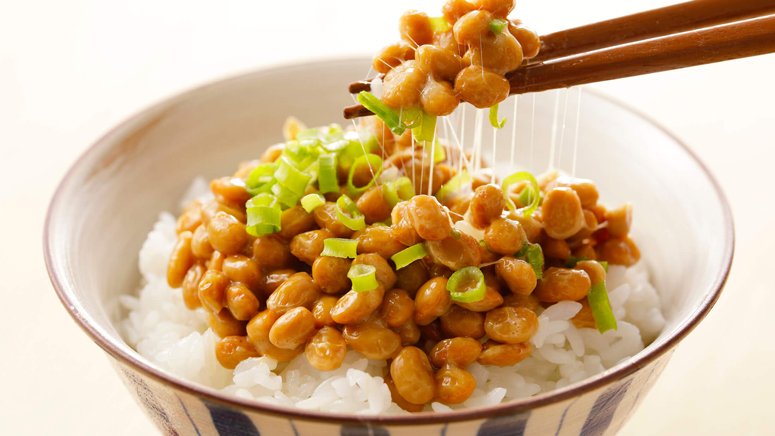
Natto is a Japanese staple made from fermented soybeans. This probiotic is rich in fiber, which can help reduce constipation and improve digestion.
It contains a lot of vitamin K. Vitamin K is important in calcium metabolism and is good for the bones. Natto consumption was linked to reduced bone loss [13] in hundreds of postmenopausal Japanese women.
Natto fermentation produces nattokinase. A study [14] of 12 Japanese young men showed that one-time nattokinase supplements helped dissolve and prevent blood clots.