
Treatment
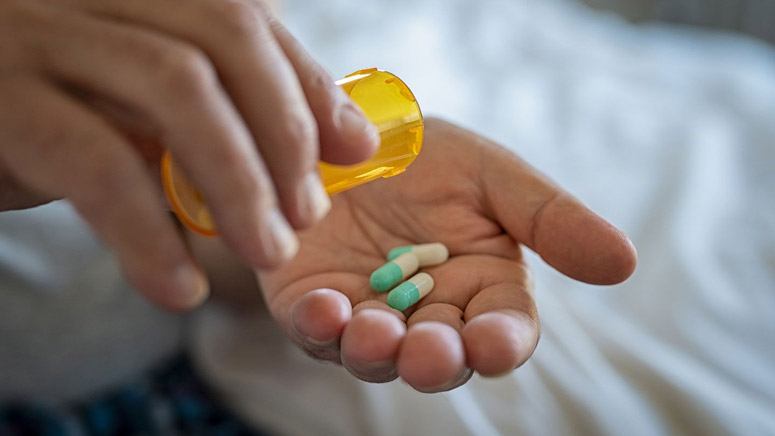
When the signs and symptoms of this illness are noticed, it is advised to visit a proper medical doctor to get a proper diagnosis and also to know how serious the cholesterol level is and the proper treatment for it. The different types of treatment include:
- Medications: research has shown that corticosteroids or cyclophosphamide act as anti-inflammatory medications that reduce inflammation caused by embolism, but researchers are still working on the dosage of the drugs. Statins also help improve the outcome of people with skin or kidney symptoms. Statins [7] also help stabilize plaque in arteries, lower low-density lipoprotein cholesterol levels and reduce inflammation. Other drugs that can be used are aspirin, vasodilators and antiplatelet medications.
- Surgery and interventions: angioplasty and stent implantation are used to treat people with blockage of major arteries especially if the location of the blockage is found. Surgeries such as removal of a blockage (endarterectomy [8]) are also used in the treatment of certain cases depending on the seriousness of the case.
- Renal replacement therapy: this therapy is a way to filter the blood when the kidneys are not working properly. These therapies include hemofiltration, kidney transplantation, dialysis and hemodiafiltration. About 45-50 percent of persons with this condition undergo this therapy.