
Diagnosis
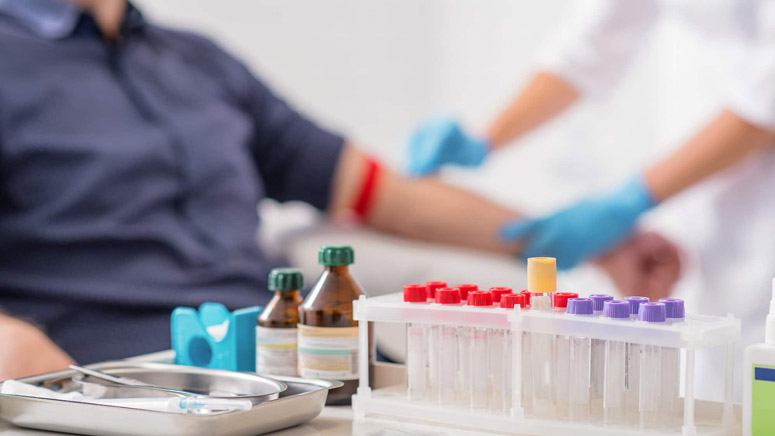
This health condition is not easily diagnosed by doctors but scientific researchers are doing a great job at finding out different ways of easy diagnosis. The different types of diagnosis include:
- Tissue biopsy: this is the most significant mode of diagnosis used by medical doctors. It is the process of taking a small sample from a body organ such as a kidney, bone marrow, muscle or skin and then placing it under a microscope to view the cholesterol level.
- Underlying health conditions: another way in which cholesterol embolism is detected is when the patient’s medical history is examined or when relevant symptoms like stroke develop.
- Blood test: there is a blood test that helps to know the level of cholesterol in the blood. This test is mostly done in the morning after fasting overnight.
- The usage of imaging techniques like magnetic resonance imaging (MRI) and CT angiography of the affected area or organ also helps establish a diagnosis