
Side effects of distilled water
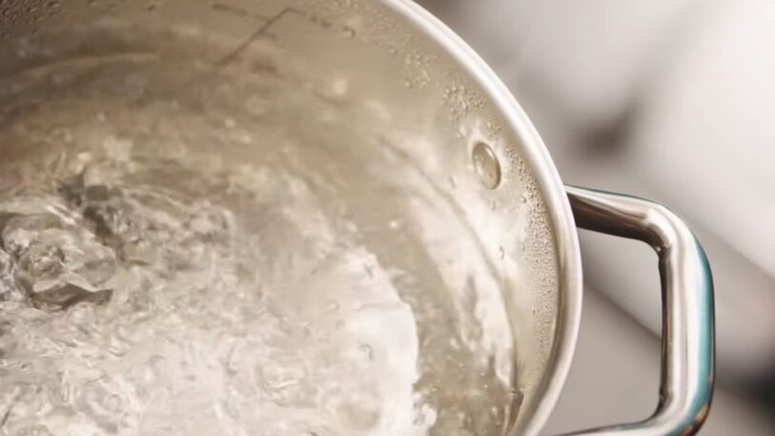
Aside from its flat taste, distilled water does not provide you with minerals like magnesium or calcium that you get from tap water.
Since distilled water does not have its own minerals, it is likely to extract them from whatever it touches to maintain a balance. So when you drink distilled water it may extract small amounts of minerals from your body, including from your teeth.
Drinking distilled water shouldn’t lead you to become deficient in minerals as you already obtain the majority of them from your diet. However, it’s a good idea to make sure you get the necessary daily amounts of fruits and vegetables if you’re going to drink distilled water.
Advantages
Where you live also determines if distilled water could be better for you than tap water. If your town’s water is tainted with harmful chemicals or pesticides, you’re safer drinking distilled water.
Disadvantages
Distilled water storage can be more of a challenge. Any material that distillate water comes in contact with will absorb minerals. This indicates that it can pick up very little amounts of plastic or other substance from the container it’s being held in.
Distilled water vs purified water
Distilled water is a type of purified water in which both minerals and contaminants have been removed. Purified water on the other hand has had chemicals removed, but it may still contain minerals.
Some of the processes of filtering purified water include:
- Reverse osmosis filters the water through a special material known as a semipermeable This material allows liquid to pass through, but it removes salt and impurities.[5]
- Distillation boils the water, and then condenses the steam back into a liquid to remove impurities and minerals.
- Deionization helps remove salt and other mineral ions (molecules) from water.