
Nutritional Facts on Brown Rice
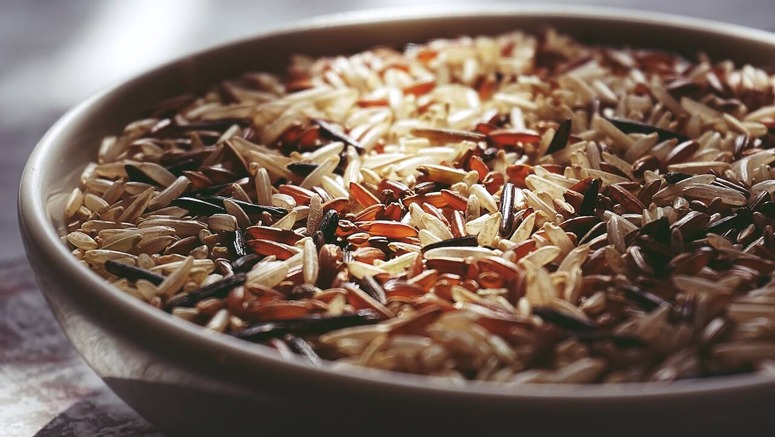
When compared to white rice, brown rice is more nutrient-rice and healthier. Studies show that some of the unique attributes of this rice are due to the quantity and quality of nutrients it offers. Milling, a process that helps convert brown rice to white rice, strips away most of the nutritional value. Therefore, brown rice still contains the advanced value of healthful components. You will find many varieties available in the market. Each variety has a unique flavor, aromatic constituents, and varied composition of fatty acids.
According to the USDA FoodData Central, brown rice flour contains a high levels in vital minerals, such as calcium, potassium, selenium, potassium, zinc, iron, and phosphorus. It also contains a wide variety of vitamins, such as vitamin B1 (thiamine), vitamin B2 (riboflavin), vitamin B6, vitamin E (alpha- tocopherol), folate, vitamin B3, and vitamin K. It contains high levels of protein and a healthy amount of fiber. In addition, it also contains high levels of fatty acids.
Brown rice may not have a nice taste, especially if you are used to eating white rice. However, it consists of a healthy amount of nutritional components that convince you to make slow and Stacy adjustments in your diet and strengthen your resolve to stay healthy.
Let’s take a look at 10 health benefits of brown rice.